
What I've learned from building products quickly while balancing quality, user needs, and business goals.
Building products is often portrayed as a process of perfect planning and flawless execution. In reality, successful products are usually the result of continuous learning, rapid iteration, and relentless focus on solving real problems.
The Trap of Perfection
Many founders and builders spend months refining features before showing them to users. While quality matters, waiting too long often means:
- Missing valuable feedback
- Solving the wrong problem
- Delaying revenue opportunities
- Losing momentum
The goal isn't to ship unfinished products; it's to ship meaningful progress.
Start With the Problem
Before writing code or creating designs, understand:
- Who is the user?
- What problem are they facing?
- How are they solving it today?
- Why is the current solution inadequate?
When these questions are answered clearly, product decisions become much easier.
Great products are built around problems, not features.
Building an Effective MVP
An MVP should focus on the smallest version of the product that delivers value.
Bad MVP
- 20 features
- Complex onboarding
- Multiple integrations
- Heavy customization
Good MVP
- One core problem
- One clear workflow
- Fast setup
- Immediate value
Design Matters More Than People Think
Good design isn't about making things look pretty.
Good design means:
- Users understand what to do next
- Workflows feel intuitive
- Information is organized clearly
- Friction is minimized
Every click should have a purpose.
Measuring Success
Don't rely on assumptions.
Track metrics such as:
| Metric | Why It Matters |
|---|---|
| Signups | Demand |
| Activation Rate | Product Value |
| Retention | Long-Term Fit |
| Revenue | Business Health |
| Customer Feedback | Product Direction |
The Importance of User Conversations
Analytics tell you what users are doing.
Conversations tell you why.
Make it a habit to:
- Interview users regularly
- Watch them use the product
- Document recurring pain points
- Validate assumptions before building
Final Thoughts
Building products is a continuous cycle of learning, shipping, measuring, and improving.
The companies that win aren't always the ones with the best technology. They're often the ones that understand their users the best and execute consistently over time.
Focus on solving real problems, stay close to your customers, and keep shipping.
Thanks for reading.
If you found this article helpful, consider sharing it with other builders, founders, and product teams.
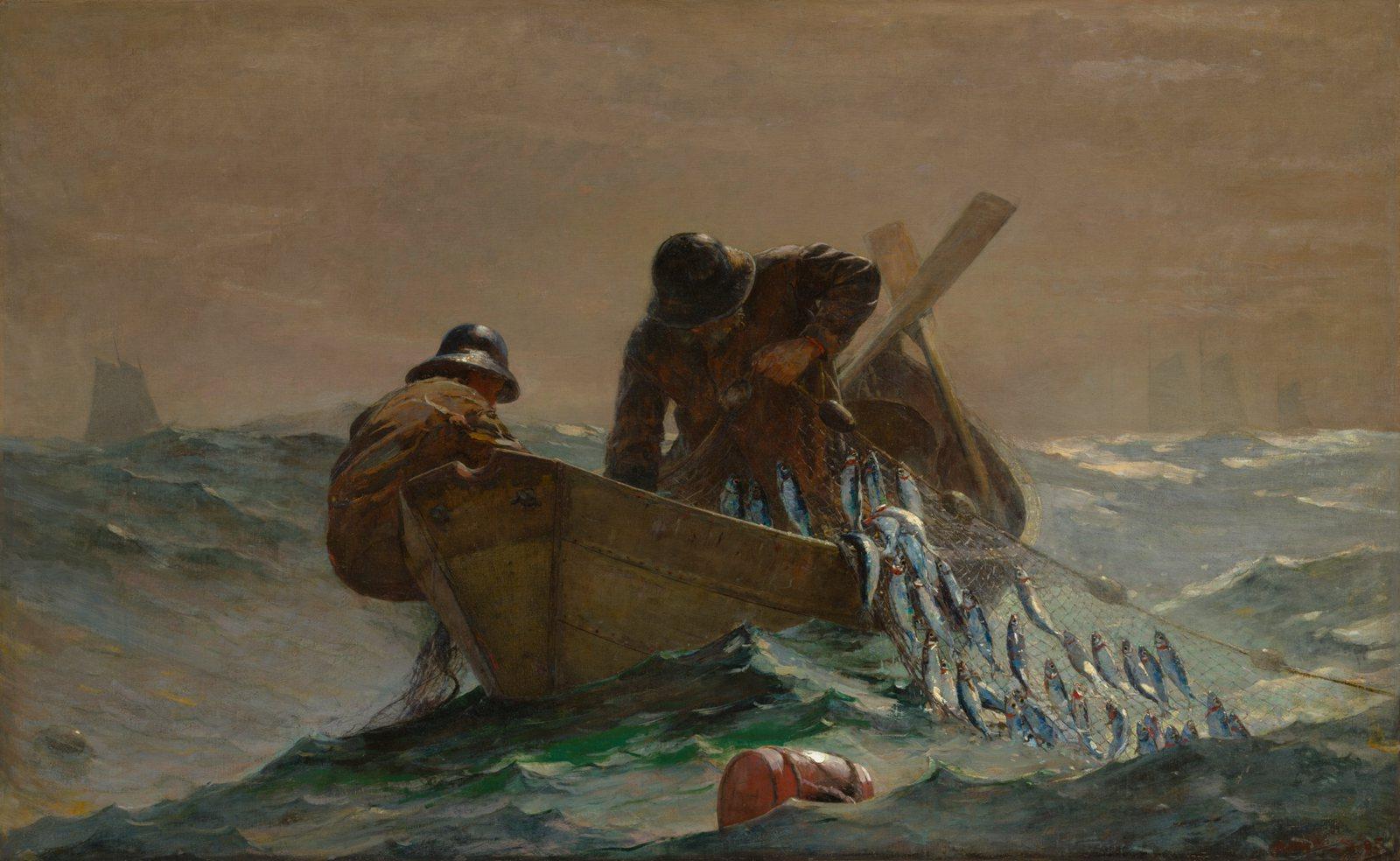
Cover painting: The Herring Net, Winslow Homer, 1885. Art Institute of Chicago, public domain.
Keep exploring
I still want to know if Save worked
I like a clean screen. I like keeping the paragraph I just wrote even more. A few things I would keep before removing another label.
Read article ↗
Put the long title in the mockup
The nice sample headline fits. Now try a real one, an absent image, and a phone that is narrower than the design file.
Read article ↗