
Specializing in one skill looks impressive, but it can limit how you think and adapt. Learning multiple skills builds stronger connections, faster learning, and better problem-solving across different areas. For most real-world situations, range beats narrow depth.
I used to think the goal was simple. Pick one skill, go deep, and ignore everything else. It sounds clean. It also ignores how most useful skills actually connect in real life.
Now I lean the other way. I prefer learning multiple skills at a solid level instead of chasing perfection in one.
Specialization is not always an advantage
Being great at one thing looks impressive, but it has limits.
- You become dependent on one path
- Your thinking gets narrow
- You miss connections between fields
Depth without range can turn into isolation.
In practice, most problems do not stay inside one skill. They spill over into others.
Skills start to feed each other
This is where things change.
When I learned more than one skill, I noticed overlap everywhere.
- Music improves timing and pattern thinking
- Writing improves clarity in everything
- Coding improves logical structure
- Instruments teach coordination across systems
One skill starts helping another without effort.
You build faster adaptation
The real advantage is not being “multi-talented.” It is being adaptable.
- You learn new things faster
- You recognize patterns earlier
- You waste less time starting from zero
When you already know how to learn one thing well, the next one gets easier.
Mastery takes time most people underestimate
I respect mastery. It is real. It just comes with a cost people ignore.
- Years of focus on one narrow area
- Slow early progress
- High risk of burnout or boredom
You can master everything if you try hard enough
You have limited time and attention, so choices matter.
The trade-off is real
Learning many skills means you accept:
- Slower peak performance in one area
- More surface-level knowledge in some fields
- Constant switching between mindsets
But you gain something else.
- Broader understanding
- Faster problem solving
- More creative connections
My take
I do not think everyone should avoid specialization. Some fields demand it.
But for most people, especially in creative or tech spaces, range is underrated.
- Specialists win in narrow problems
- Generalists win in complex, changing ones
Final thought
I would rather be the person who connects ideas across skills than the person who is perfect in one box. The world rarely asks for just one skill at a time, even if traditional advice says it does.
skills = ["music", "writing", "coding", "design"]

for skill in skills:
    learn(skill)
    connect(skill, others=skills)
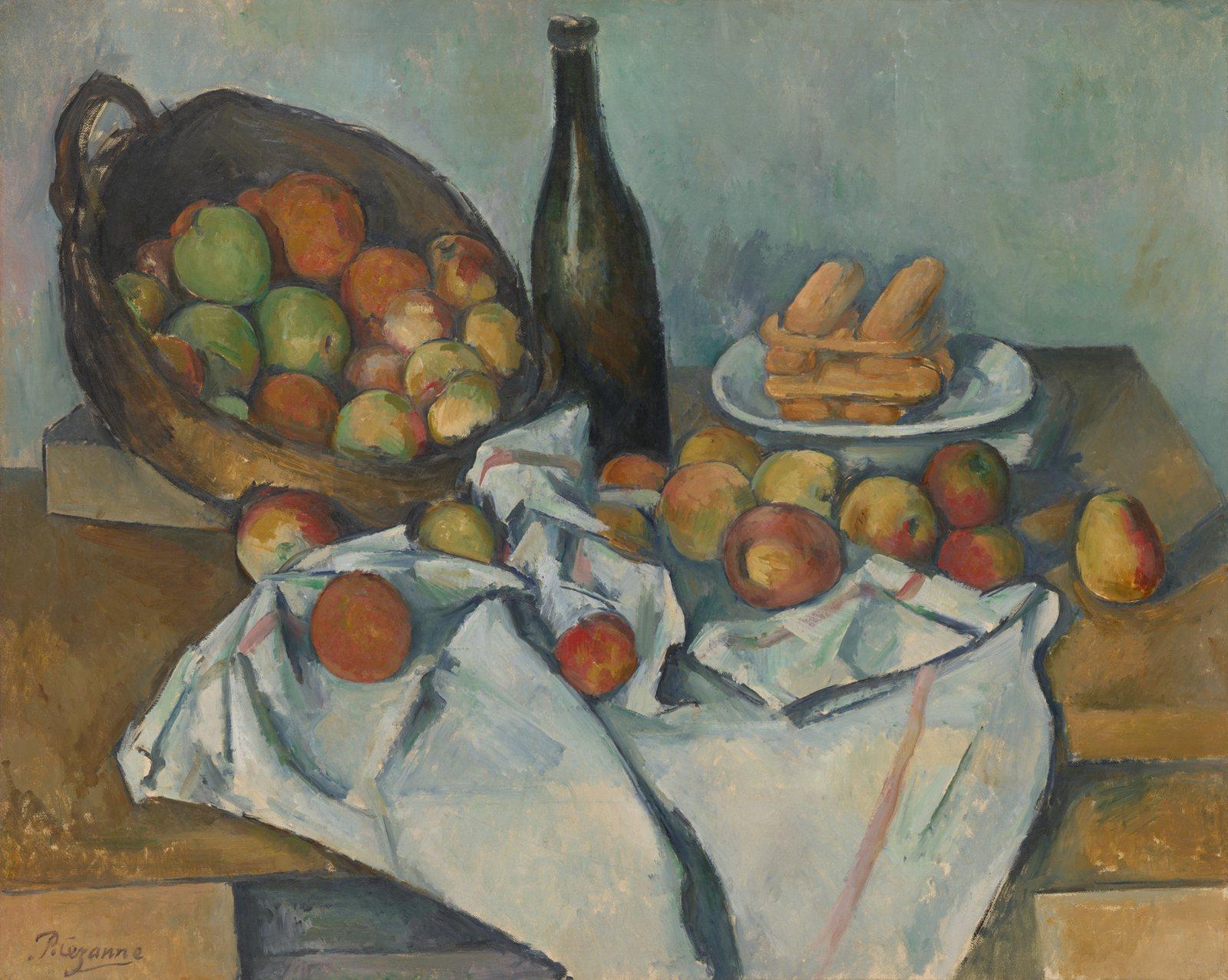
Cover painting: The Basket of Apples, Paul Cézanne, c. 1893. Art Institute of Chicago, public domain.
Keep exploring

I still want to know if Save worked
I like a clean screen. I like keeping the paragraph I just wrote even more. A few things I would keep before removing another label.
Read article ↗
Put the long title in the mockup
The nice sample headline fits. Now try a real one, an absent image, and a phone that is narrower than the design file.
Read article ↗