
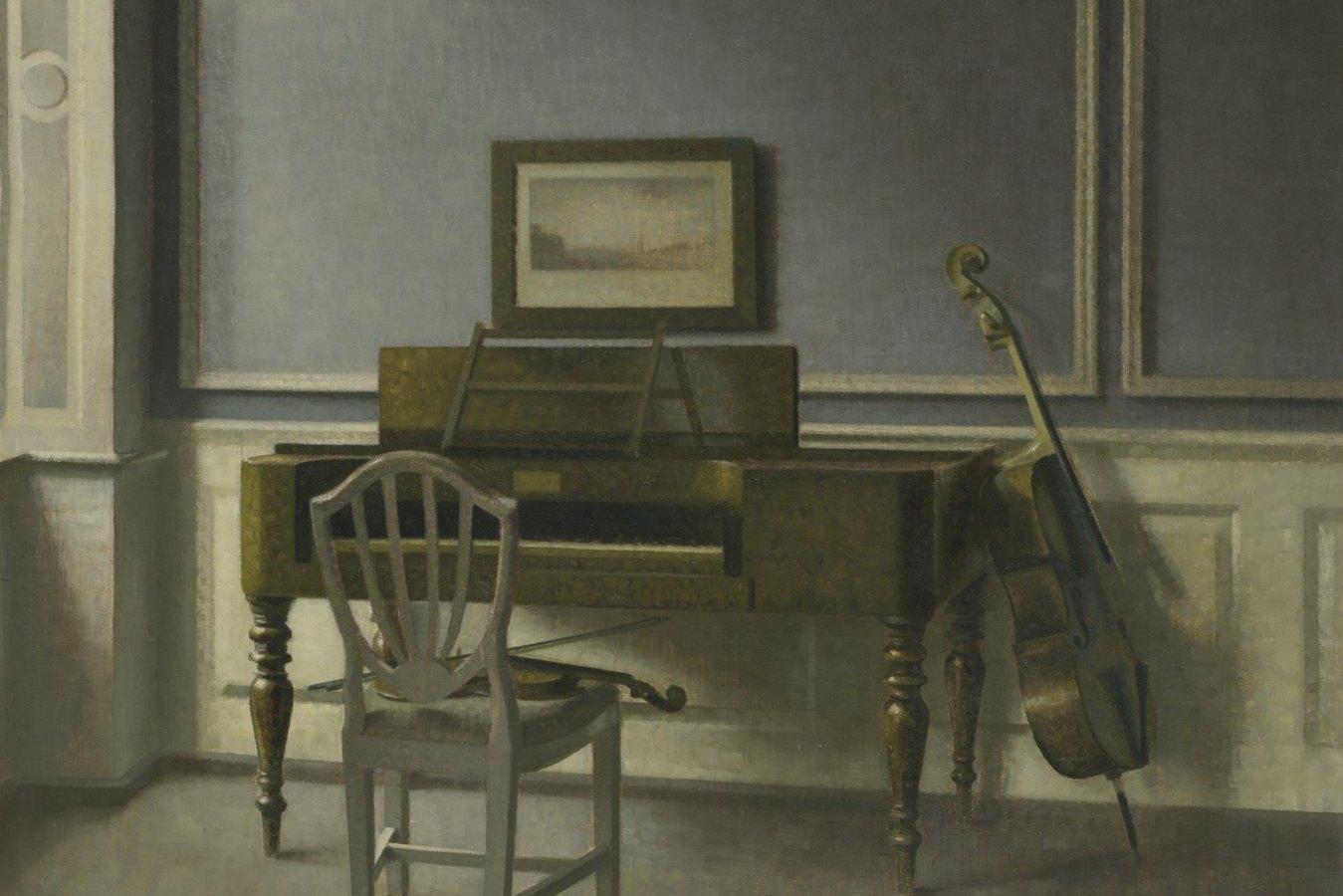
Guitar was my starting point. Bass asked me to leave more space. Playing both changed what I listen for in a song.
Guitar was my entry point. Chords and shapes gave me something concrete to work with, and it was easy to feel progress when I could play more of them.
Bass made that less straightforward. Knowing where the notes were didn't answer the question of which ones belonged in the part. I had to unlearn some of the urge to keep playing.
The empty part counts
A bass line can look simple and still demand attention.
- Where the note starts matters
- Where it stops matters
- Adding another note can make the part busier without making the song better
I like that kind of restraint, even when I find it harder than filling the space.
It changed what I listen for
Instead of only following the melody or the guitar, I start paying attention to what the low end is doing with the drums.
Drums exposed another gap
Timing. I could understand a rhythm and still have work to do actually keeping it.
That is useful feedback, if occasionally annoying feedback.
I am at different levels, and that is fine
I play guitar, bass, drums, piano, and violin. That doesn't mean I am equally comfortable on all five.
- Guitar is the strongest
- Piano makes the theory easier for me to see
- Violin is still the one that reminds me how much basic control matters
Violin makes getting a good sound feel like an achievement on its own. Each instrument gives me a different problem to work on.
The trade-off
The downside is obvious.
- Time spent on one is time away from another
- This is not the fastest route to mastering anything
My take
I keep doing it because it makes listening and playing more interesting to me.
Final thought
Bass, especially, gave me a reason to hear the space between notes instead of immediately trying to fill it.
Cover painting: Interior. The Music Room, Strandgade 30, Vilhelm Hammershøi, 1907. Art Institute of Chicago, public domain.
Keep exploring
I still want to know if Save worked
I like a clean screen. I like keeping the paragraph I just wrote even more. A few things I would keep before removing another label.
Read article ↗
Put the long title in the mockup
The nice sample headline fits. Now try a real one, an absent image, and a phone that is narrower than the design file.
Read article ↗