
I want to change a title or replace an image without guessing which field controls it. A few things I look for in a content editor.
If I need to open the codebase to fix a sentence on my website, something is in the wrong place.
For this site, I want the content in the CMS and the layout in the code. That sounds obvious until a case study has three slightly different places to change its introduction.
How it happens
I understand why it happens.
- Writing the first version directly in a component is quick
- Then another page arrives
- A second version of the copy ends up somewhere else
A simple edit becomes a search through files.
Give me the fields I actually edit
- Title
- Summary
- Story
- Cover image
- Publication date
Those are decisions I can understand without remembering how the page was built.
The summary has its own job
The summary deserves its own field because it has a different job from the opening paragraph.
- On a card, I want enough information to decide whether to read
- Inside the article, I have already clicked
Repeating the same sentence in both places wastes a useful opportunity.
Not a setting for every margin
I don't want a setting for every margin, either. That would turn writing into arranging the page again.
The layout should handle a normal range of content without making the editor babysit it.
Tell me what is public
“Saved” and “Published” should mean different things when drafts exist.
- I want to know whether a change is only in the editor or already on the website
- I want a preview that shows the actual crop, not just a small thumbnail of the source image
The trade-off
There are limits to how flexible a CMS needs to be. A completely unusual page might need a new component.
My take
Replacing a cover or correcting a paragraph should be boring.
Final thought
Boring is a good outcome for a tool I need to use repeatedly.
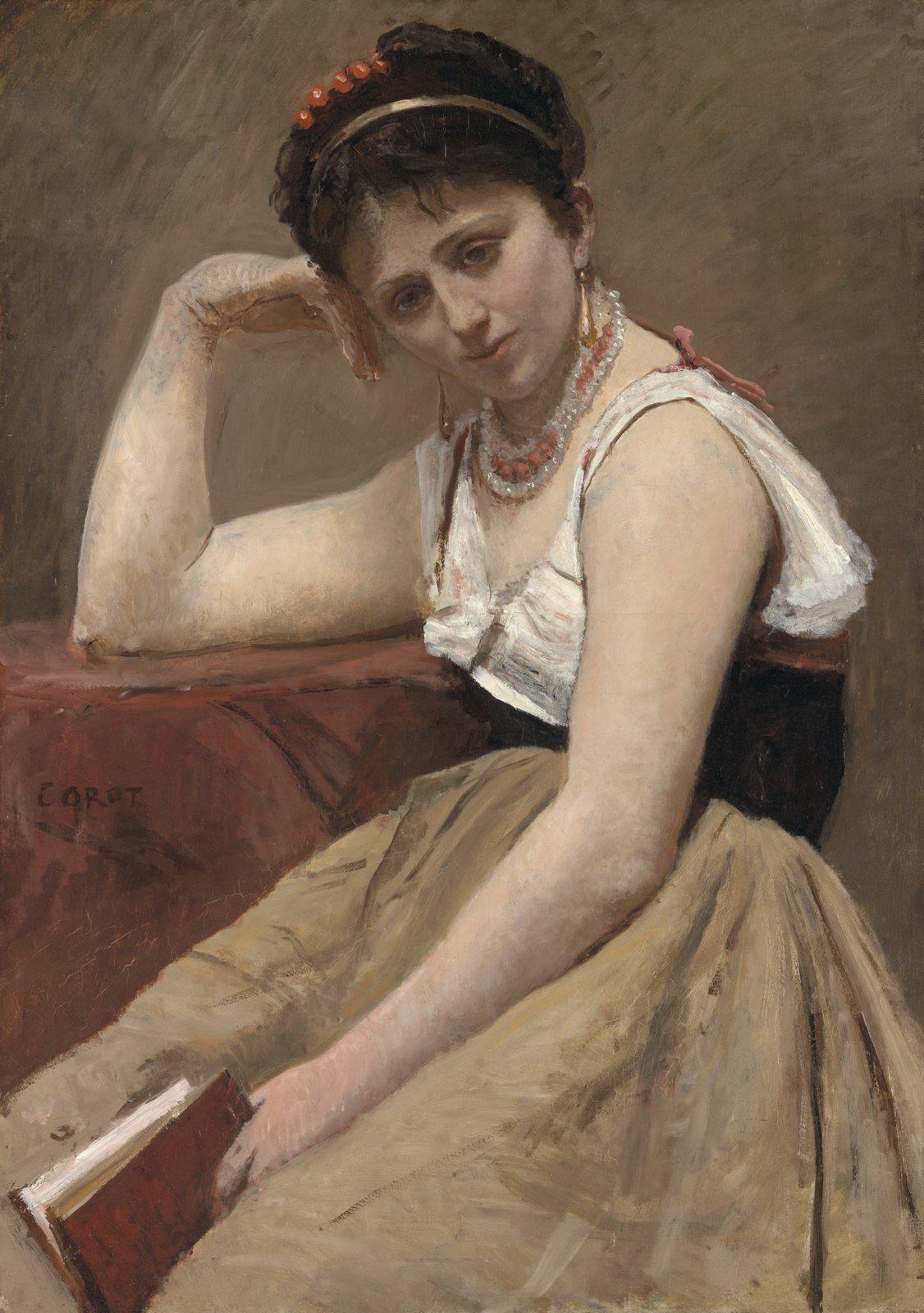
Cover painting: Interrupted Reading, Jean-Baptiste-Camille Corot, c. 1870. Art Institute of Chicago, public domain.
Keep exploring
I still want to know if Save worked
I like a clean screen. I like keeping the paragraph I just wrote even more. A few things I would keep before removing another label.
Read article ↗
Put the long title in the mockup
The nice sample headline fits. Now try a real one, an absent image, and a phone that is narrower than the design file.
Read article ↗